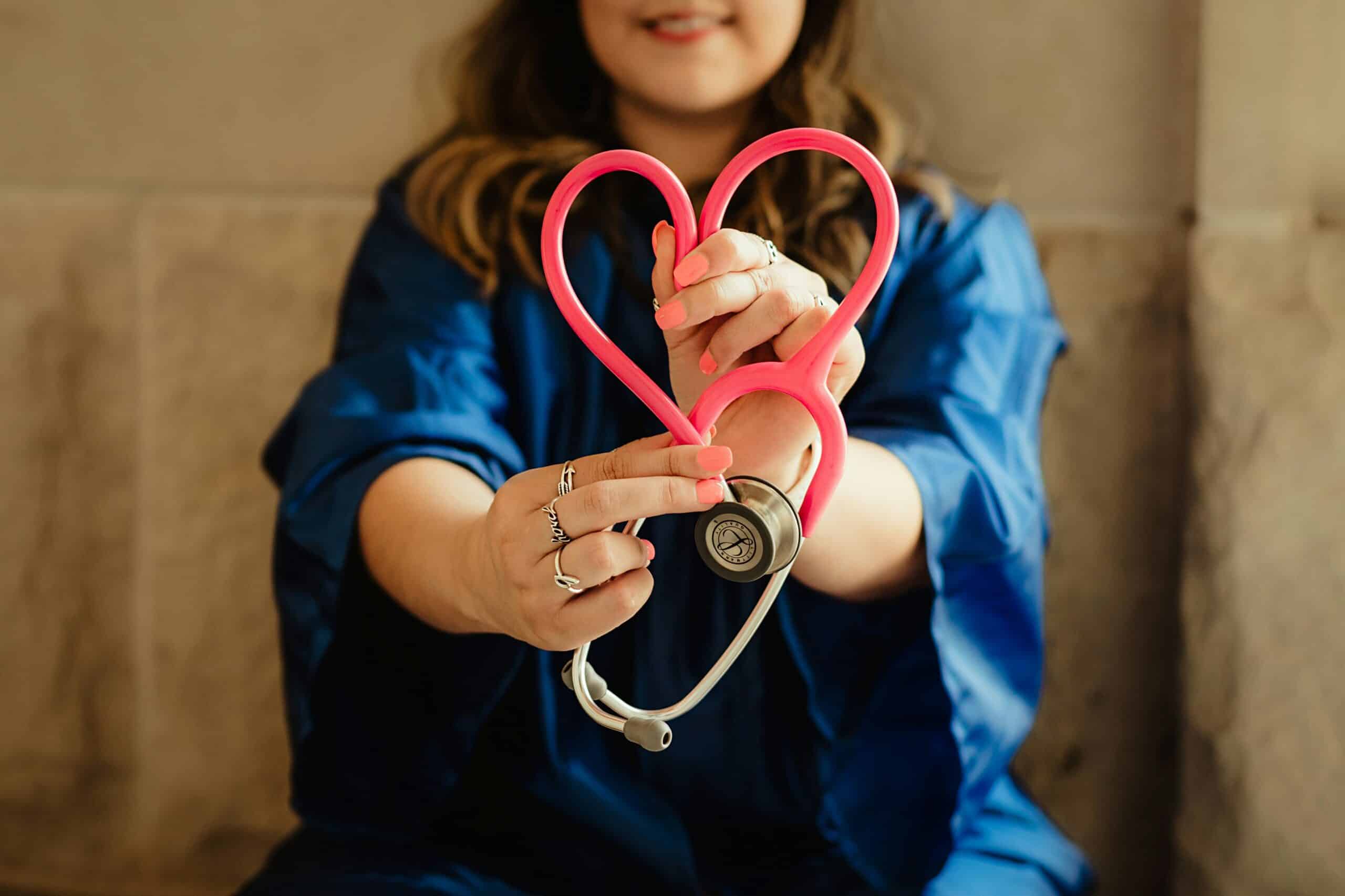
Artificial intelligence is shaking up industries left and right, and healthcare folks are right to wonder if their jobs will survive the technological revolution. Sure, AI is already automating radiology, diagnostics, and all sorts of data crunching, but there’s one job that seems to have a force field against this high-tech takeover: nursing.
Nursing blends human empathy, quick thinking, and genuine connection—stuff robots just can’t fake, no matter how many terabytes they’ve got.
The magic is in what makes nursing so, well, human. AI’s great at sorting spreadsheets and ticking boxes, but it can’t comfort a terrified patient or advocate for tricky care decisions. It definitely can’t offer that healing touch that sometimes matters more than the meds.
Study after study shows that nursing’s person-centred vibe puts up a pretty solid wall against job displacement by AI.
Instead of seeing AI as the enemy, a lot of nurses are realising it’s more like a helpful sidekick. Tech is freeing them up to do what they actually signed up for: caring for people, not paperwork.
AI handles a lot of the admin headaches and routine monitoring, so nurses can focus on the good stuff—compassionate, whole-person care.
Core Reasons Nursing Remains AI-Proof
AI is making healthcare operations slicker and cutting down on paperwork. But the heart of nursing—human connection, sharp reasoning, and emotional smarts—just can’t be coded.
These are the skills that put up a “no robots allowed” sign on the nursing station.
Human Touch and Empathy in Patient Care
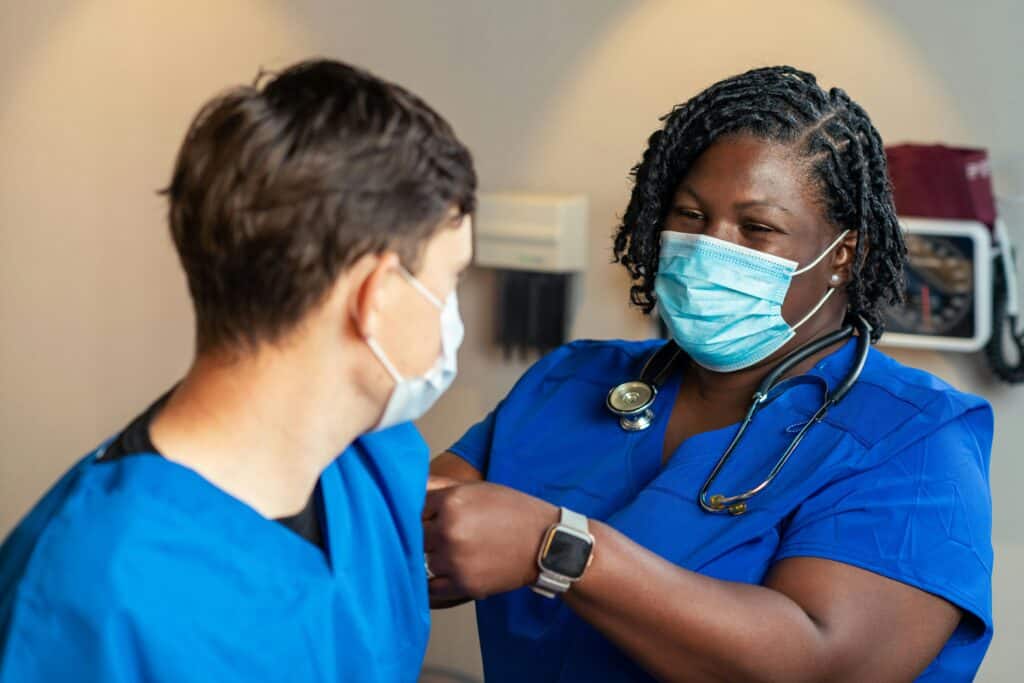
When a nurse walks into a room, their presence alone brings comfort. No algorithm can pull that off, no matter how many lines of code you throw at it.
When patients are scared or vulnerable, they want expertise, sure, but they also crave a real human connection. That’s where nurses shine.
Nurses pick up on subtle cues without even thinking about it. A shaky hand? That’s anxiety. A smile that doesn’t quite reach the eyes? Maybe pain is hiding underneath.
These little signals help nurses adjust their care on the fly.
Physical comfort measures that only humans can do:
- Listening to the specific requirements of patients.
- Offering a reassuring touch when the news gets tough
- Guessing when it’s better to just sit in silence versus chatting
The relationship between nurse and patient does more for healing than any prescription. Patients bounce back faster when they feel truly supported by their care team.
Cultural sensitivity adds a whole other layer. Nurses juggle different beliefs, family quirks, and personal values, all while keeping care respectful. Sometimes they push for what’s medically needed, sometimes they step back and honor the patient’s wishes.
Critical Thinking and On-the-Spot Decision Making
Healthcare is rarely by-the-book. Nurses run into curveballs every shift, and they have to make snap decisions that AI just isn’t built for.
Picture a patient whose vitals look fine, but the nurse just gets a gut feeling that something’s off. Years of experience and instinct often spot trouble before any monitor does.
Everyday nursing decisions that’ll stump a robot:
- Juggling several urgent patient needs at once
- Switching up care plans when things don’t go as expected
- Helping families sort through tough choices at the end of life
Nurses pull info from everywhere: patient history, symptoms, family input, and doctor’s orders. They weigh all that, plus the patient’s unique situation, to make the best call.
When the rulebook doesn’t fit, nurses get creative. They invent workarounds and solutions that fit the moment, not just the manual.
Communication and Emotional Intelligence
Good nursing is all about communication, and it’s not just about explaining stuff. Nurses break down medical mumbo-jumbo into plain English, and they know how much info each person can handle.
They’re pros at tough conversations—delivering bad news, talking prognosis, or helping families through scary times. Machines just aren’t built for that kind of emotional heavy lifting.
Communication skills nurses use every day:
- Reading body language for understanding
- Changing their approach for kids, adults, or seniors
- Keeping cool and clear in a crisis
- Helping families talk openly with each other
Nurses often play the go-between for doctors and patients, making sure everyone’s on the same page. They notice when patients hold back and gently encourage them to open up.
Managing their own stress while supporting others is part of the job. Nurses bring calm to chaos, and that steadiness helps everyone breathe a little easier.
AI in Nursing: Integration without Replacement
AI is shaking up nursing with clinical decision support tools, predictive monitoring, and admin automation. But humans still steer the ship—tech just handles the boring bits so nurses can focus on what really matters.
Current Uses of AI in Nursing Practice
Clinical Decision Support Systems are the big hitters in today’s nursing tech. These platforms sift through mountains of patient data—lab results, vitals, records—and offer up evidence-based advice nurses can use (or ignore, if their gut says otherwise).
AI-powered early warning systems spot patient decline with spooky accuracy. Studies show these tools cut hospital deaths and shorten stays by flagging trouble before it’s obvious.
Predictive Analytics and Monitoring are changing the game in places like intensive care. Wearables and smart monitors feed data to machine learning systems, which pick up subtle changes humans might miss.
Some systems can predict sepsis way before symptoms show up. Others warn about flare-ups in chronic conditions, letting nurses jump in early and keep folks out of the hospital.
| AI Application | Primary Function | Key Benefit |
|---|---|---|
| Early Warning Systems | Risk prediction | Reduced mortality rates |
| Smart Monitors | Continuous surveillance | Earlier intervention |
| Medication Management | Dosage optimisation | Fewer adverse events |
Administrative Automation is a real timesaver. Natural language processing tools transcribe nurse-patient chats, fill out clinical notes, and keep electronic health records up to date—no more typing marathons.
AI-driven scheduling tools juggle staff rosters, patient needs, and past workloads. They come up with rotas that actually make sense and cut down on overtime by up to 12%. Not bad.
Supporting Rather Than Replacing Nurses
AI acts like a supercharged assistant, not a replacement. It takes care of the grunt work, so nurses have more time for real clinical thinking and patient bonding.
Sure, machines are great at spotting patterns and crunching numbers, but they can’t do holistic care. Nurses look after people’s minds, bodies, and spirits—not just their charts.
Enhanced Clinical Reasoning happens when AI brings all the data together. Instead of making choices for nurses, these systems lay out the facts and possible scenarios, helping nurses make smarter calls.
In meds management, for example, AI suggests doses based on the data. But nurses have the final say, factoring in patient preferences and the bigger picture that algorithms just can’t see.
Time Redistribution is the best perk. With AI handling the paperwork and routine checks, nurses spend more time actually talking to and caring for patients.
Some nurses say they get to spend a quarter more of their time educating and supporting patients when AI takes over the admin slog. That’s a win for everyone.
Managing Ethical and Professional Concerns
Data Privacy and Security is a big deal with AI in the mix. Hospitals need tough cybersecurity—encryption, access controls—the works, or things can go sideways fast.
Data breaches involving AI and IoT tech cost healthcare organizations an average of £5.6 million. Regular security checks and tight governance help keep things locked down.
Algorithmic Bias is another headache. If AI learns from biased data, it can accidentally reinforce healthcare inequalities. Using diverse datasets and constant monitoring helps catch and fix these issues.
Professional Accountability gets tricky when AI helps make decisions. Nurses are still on the hook for patient outcomes, so they’ve got to really understand what the tech can and can’t do.
Some AI systems are black boxes, which makes transparency tough. Nurses need tools that actually explain their recommendations, so everyone knows what’s going on.
Human-Centred Care should always come first. Leaning too hard on tech risks turning care into a conveyor belt, which goes against everything nursing stands for.
Ongoing education is a must. Nurses need to know how AI works and where it falls short, so they can use it wisely and keep nursing human at its core.

Evolving Opportunities and Future-Proof Skills
Nursing is staking out a spot right where human know-how meets cutting-edge tech. Specialised knowledge and people skills are opening up all sorts of new career paths. Adaptability and teamwork keep nurses one step ahead of automation.
Specialised Domains Resistant to Automation
Mental health nursing is a prime example of a job that’s robot-proof. These nurses read emotional cues that would make an algorithm’s head spin. They’re there for patients during psychiatric crises, blending empathy with sharp clinical judgment.
Critical care nursing is another tough nut for automation to crack. Intensive care means making lightning-fast decisions based on complicated, ever-changing situations. Nurses juggle data, family drama, and team coordination all at once.
Pediatric nursing? Forget about it, robots. Kids need comfort, play, and emotional support that only a real person can give. These nurses switch up their approach for every age and calm anxious parents, too.
Key Resistant Domains:
- Mental health and psychiatric care
- Complex critical care scenarios
- Pediatric and neonatal specialties
- Palliative and end-of-life care
- Community health outreach
Continuous Professional Development
Nurses have always been big on lifelong learning. Now, digital smarts are just as important as clinical chops, and nurses are learning to team up with AI instead of fighting it.
Professional growth now covers informatics, data skills, and tech integration. Nurses are even helping design new digital solutions with patients and families, making sure tech actually serves people, not the other way around.
Specialisation is branching out, too. Nurse informaticians bridge clinical work and tech development, and advanced practice nurses are taking on roles that used to be doctors-only. The profession keeps evolving.
Essential Future Skills:
- Digital health literacy
- Data analytics interpretation
- Patient advocacy in tech-driven environments
- Interdisciplinary communication
- Change management capabilities
Interdisciplinary Collaboration in Healthcare
Modern healthcare really can’t function without people working together across all sorts of professional lines. Nurses? They’re like the Wi-Fi routers of communication—connecting doctors, patients, and families, and somehow keeping everyone on the same page.
This role gets even more important as things get complicated. When care turns into a maze, nurses keep things running smoother than you’d expect.
Teams from different specialities lean on nurses to keep the spotlight on patients, not just on charts and numbers. Sure, AI can crunch data all day, but nurses make sure we don’t forget there’s a human behind every medical record.
They speak up for what patients actually want, even when technology tries to boss everyone around with its fancy protocols. It’s a balancing act, and nurses are the tightrope walkers.
Nurses also bring some wild insight to healthcare innovation. They know the daily grind, the real-life worries patients have, and all the messy details tech folks might never see coming.
When nurses help design digital health tools, the results are way more likely to work in real clinics, not just in a developer’s imagination.
Collaboration doesn’t stop at the hospital doors. It spills out into community partnerships, whether that’s public health nurses teaming up with schools, social services, or whoever else is needed.
Let’s be honest—there are problems out there that technology just can’t fix. That’s where nurses and their community allies step up and get creative.