
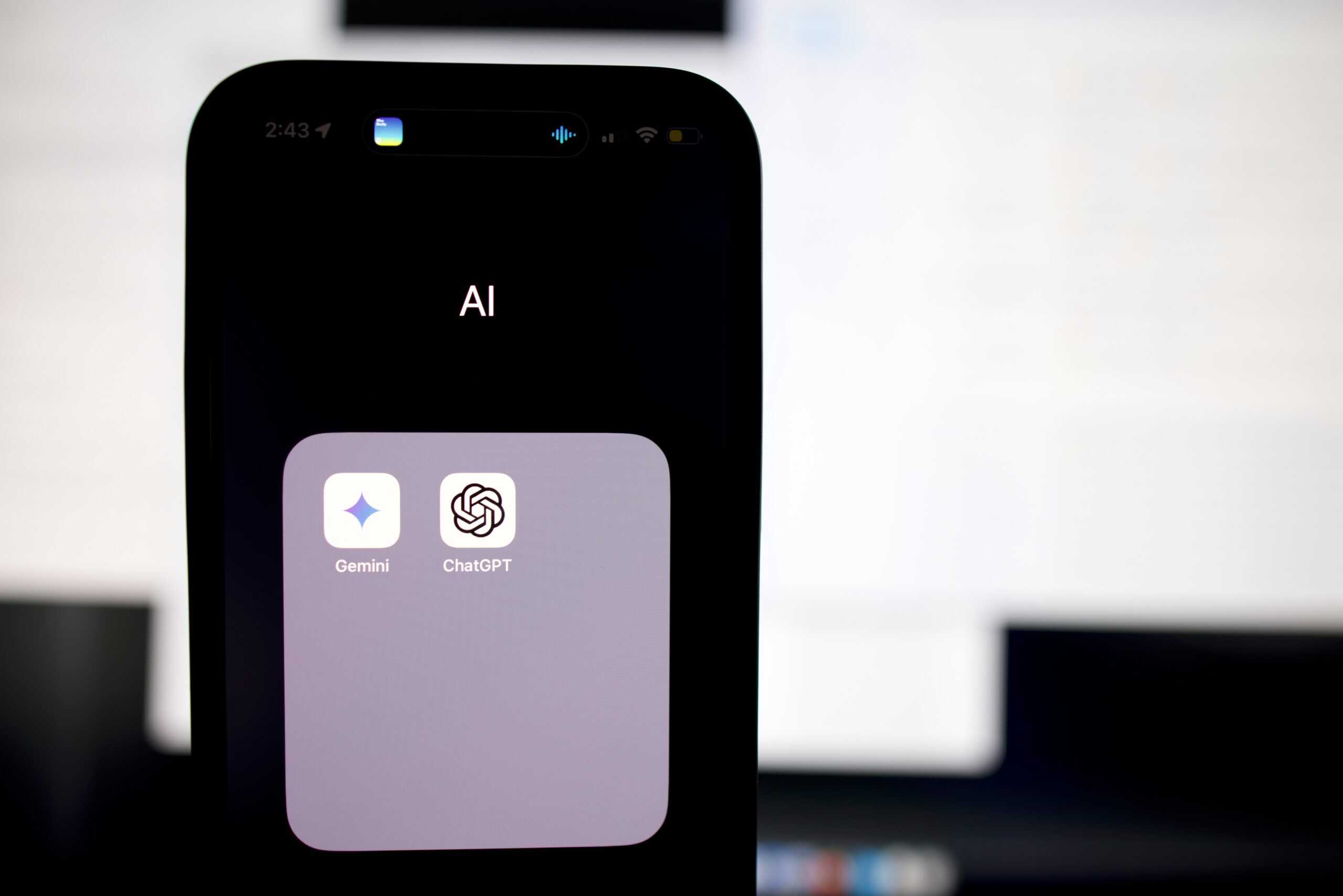
AI is transforming workplaces at a pace that’d make even the fastest coffee machine jealous. The changes aren’t just happening on factory floors or in call centres anymore.
Jobs involving repetitive tasks, data processing, and routine customer interactions face the highest risk of AI replacement, with studies showing that nearly 30% of all positions could be significantly affected by 2030. Data entry clerks, telemarketers, and cashiers top the vulnerability list.
But the ripple effects are spreading into unexpected territories—including white-collar professions that used to feel invincible.
AI isn’t just about replacing manual labour; it’s reshaping entire industries, from retail to legal services. The technology now tackles complex stuff like legal research, creative writing, and customer service conversations that need a bit of nuance.
Some roles are vanishing, but others—roles we didn’t even imagine five years ago—are popping up. The future workplace? It’s less humans vs. machines, more like humans figuring out what makes them irreplaceably human, and which tasks AI can make less of a headache.
From transportation hubs to creative studios, the transformation is already underway. We’re seeing both unprecedented challenges and unexpected opportunities for workers across every sector.
Jobs Most Vulnerable to AI and Automation
Research shows AI can now handle at least 85% of tasks in writing and data analysis. Customer service positions have a whopping 72% exposure rate.
Administrative work, financial analysis, and manufacturing operations are feeling the heat, with automation posing the biggest threat to traditional jobs in these areas.
Data Entry and Administrative Roles
Data entry clerks top every AI vulnerability list, and honestly, it’s not even close. These jobs involve repetitive tasks that machine learning algorithms just chew up for breakfast.
Modern AI can process thousands of documents faster than any human could hope to.
Administrative assistants and executive secretaries are right behind them. Scheduling, email management, and basic research? AI eats that up too.
Virtual assistants powered by large language models now book appointments, arrange travel, and handle routine correspondence with surprising accuracy.
Offices have already started shifting. Companies use AI tools to sort emails, manage calendars, and compile basic reports.
What used to demand a full-time admin might soon only need someone to check in occasionally.
But let’s be real, complex administrative work that needs emotional intelligence and relationship management is still safe. Personal assistants who actually build relationships or handle sensitive negotiations? Chatbots just can’t fake that (yet).

Customer Service and Support Functions
Customer service reps are facing a tidal wave of AI chatbots and natural language processing tech. Klarna, for example, replaced hundreds of customer service roles with AI that works 24/7.
AI chatbots now resolve simple issues, process returns, and answer FAQs, all without a human in sight. They don’t need coffee breaks, never call in sick, and can juggle a dozen conversations at once.
Telemarketing jobs are even more at risk. AI can make thousands of calls, deliver scripts, and even handle basic objections. Some bots sound so human-like it’s a little spooky.
Customer service isn’t going extinct, though. Complex complaints, emotional situations, and anything high-value still need a human touch. Surviving roles will focus on escalated issues and relationship building, not just routine problem-solving.
Accounting and Finance Positions
Accounting clerks and junior financial analysts are feeling the squeeze. AI now processes invoices, reconciles accounts, and builds basic financial reports with hardly any human help.
Machine learning spots patterns in financial data in minutes, not hours. Insurance underwriters are also getting automated—AI can assess risk, analyse applications, and make decisions faster than old-school methods ever could.
OCR tech plus AI can extract info from receipts, invoices, and bank statements with scary accuracy. A lot of accounting firms have already jumped on this bandwagon.
Strategic financial planning, complex audits, and client advisory services? Those still need people. Judgement, interpretation, and relationship skills remain firmly in the human camp.
Manufacturing and Production Work
Manufacturing jobs have been under automation pressure for ages, but AI and advanced robotics are cranking things up. Modern production lines use smart systems that adapt to different products, spot defects, and optimise workflows on the fly.
Cashiers and retail workers now compete with self-checkout and automated payment systems. Supermarkets and retail chains are cutting staff by rolling out AI-powered checkouts that barely need humans.
Assembly line workers are getting replaced by robots that never get tired. These machines use computer vision for quality control and can switch tasks faster than any human retraining session.
Quality control inspectors are also seeing changes. AI vision systems spot defects and inconsistencies more accurately than people, so companies are pouring money into these upgrades.
Skilled trades, equipment maintenance, and complex problem-solving roles in manufacturing? Still safer. Those jobs need physical skill, creative thinking, and adaptability—things automation just can’t fake (for now).

White-Collar and Creative Professions at Risk
Generative AI tools like ChatGPT are coming for white-collar workers who thought they’d dodged the automation bullet. The tech processes info, analyses patterns, and churns out content that fits established formats—all skills that define a ton of professional roles.
Content Creation and Media Roles
Content writers and copywriters are getting replaced as AI spits out articles, marketing copy, and social posts in seconds. Google and others have built systems that crank out news summaries and product descriptions before most writers have even finished their coffee.
It’s not just about speed. AI tools now create blog posts, ads, and email campaigns that nail brand voice and style. Some companies have already swapped out entire content teams for AI systems that pump out consistent work.
Technical writers are seeing their gigs dry up as AI generates user manuals, product docs, and training materials. Explaining complicated stuff in simple terms? AI’s got that covered.
Creative professionals aren’t immune, either. AI now generates graphic design concepts, video scripts, and marketing campaigns. Human insight still matters for big-picture strategy, but entry-level creative jobs are vanishing fast.

Legal and Analytical Occupations
Legal research associates watch AI systems analyse case law and precedents in minutes. Algorithms review stacks of legal docs, find relevant citations, and draft briefs with surprising accuracy.
The tech handles due diligence, contract analysis, and compliance checks. Law firms are cutting junior associate positions because AI now does research that once took years of training.
Market research analysts face similar headaches as AI processes consumer data, spots trends, and spits out reports. These systems can analyse social media sentiment, purchase patterns, and demographic shifts without breaking a sweat.
Complex decisions still need human judgement, but routine analytical work is all but automated. AI now produces market forecasts, competitor analyses, and consumer behaviour reports that rival traditional research.
Financial Services and Market Analysis
Financial analysts are watching AI systems evaluate investments, assess risk, and build portfolio recommendations. The tech processes huge amounts of market data, earnings reports, and economic indicators all at once.
Banks and investment firms use AI for credit checks, fraud detection, and trading. Algorithms read financial statements, predict market swings, and execute trades way faster than any human ever could.
Bookkeepers and accounting clerks see their roles fading as AI automates invoicing, expense tracking, and basic reporting. These systems handle transactions, reconcile accounts, and spit out tax docs automatically.
Strategic thinking and creative problem-solving still need humans. The field is splitting—high-level strategy roles for people, entry-level positions for the bots.

Automation in Transportation and Retail
Transportation and retail are getting flipped upside down as AI changes how goods move and customers shop. Self-driving tech is revolutionising logistics, and automated checkouts are changing the way we buy groceries.
Self-Driving Technology and Logistics
The transportation sector is at a turning point, with 1.1 million workers possibly affected by AI. Companies like Waymo aren’t just experimenting with autonomous vehicles—they’re actually putting them on the road.
Long-haul trucking is the easiest target for automation. Predictable motorway driving makes it perfect for self-driving tech. But let’s be honest, it’s not quite as simple as the tech companies claim.
Local delivery drivers deal with different headaches. Navigating tight streets or handling last-mile chaos needs human flexibility that AI just can’t match. Isn’t it wild that the same tech that handles a motorway at 70mph can get stumped by a tricky car park?
Jobs most at risk include:
- Shipping and receiving clerks
- Freight agents and forwarders
- Transportation ticket agents
- Long-haul lorry drivers
Meanwhile, roles needing manual dexterity and real-time problem-solving are still pretty safe. Seriously, when was the last time you saw a robot untangle a cargo strap or charm a grumpy customer at a loading dock?
The money at stake is jaw-dropping. Researchers estimate AI could automate £52 billion worth of tasks in transportation, with cost savings possibly hitting £3 billion a year.
Retail Automation and Consumer Services
Retail automation has already landed in your local supermarket, and it’s only picking up speed. Self-checkout systems have gone from being a novelty to being everywhere, totally changing cashier roles.
Traditional cashiers aren’t vanishing overnight, but their jobs are definitely shifting. Many now oversee multiple self-checkouts, fix tech hiccups, and handle weird exceptions that robots can’t figure out. It’s less about scanning groceries, more about managing the machines.
Virtual assistants and AI chatbots tackle more and more customer service questions. They’re great at routine stuff—order tracking, returns, explaining store policies. They work all hours, never ask for time off, and don’t need a lunch break.
But when things get messy—damaged wedding dresses, botched holiday bookings—humans still have the edge. Emotional intelligence beats algorithmic efficiency every time in those moments.
Inventory management is changing, too. AI now predicts demand, optimises stock, and automatically reorders products. This shakes up warehouse workers, stock clerks, and purchasing assistants who used to do these jobs by hand.
The shift isn’t all about cutting jobs—it’s about transforming them. Retail workers increasingly need tech skills alongside customer service, creating new hybrid roles that didn’t even exist a few years back.
Human-Centric Roles and the Future of Work
As AI shakes up the job market, roles needing emotional intelligence and creativity are still firmly in human hands. Workers have to adapt by upskilling, and brand-new career paths are popping up that blend human smarts with AI muscle.
Jobs Relying on Emotional Intelligence and Creativity
The jobs that’ll weather the AI storm? They’re the ones that tap into what makes humans truly human.
Emotional intelligence sits at the heart of many protected roles. Therapists, teachers, and healthcare workers build connections with people on a deeply personal level. A grieving patient needs genuine empathy, not some cold, algorithmic response.
Creative industries stand as another AI-resistant frontier. Designers, writers, and artists bring human creativity that goes way beyond pattern recognition.
They get cultural nuance, emotional resonance, and all those unspoken rules that actually move people. AI can try, but it just doesn’t nail the vibe.
Consider these safe havens:
- Healthcare professionals who provide emotional support
- Creative directors who understand brand storytelling
- Social workers who navigate complex family dynamics
- Executive coaches who develop leadership skills
Physical trades also look pretty secure. Plumbers, electricians, and skilled craftspeople mix dexterity with problem-solving. You can’t just download twenty years of boiler-fixing experience, right?
The Importance of Upskilling and Adaptability
The job market is shifting faster than a London weather forecast. Workers who adapt will thrive (or at least keep their sanity).
Upskilling isn’t just career advice anymore—it’s a survival strategy. The World Economic Forum says about 50% of workers will need reskilling by 2025. That’s not some distant future; it’s basically tomorrow.
Smart companies throw resources at AI training for their workforce. Instead of replacing humans, they’re building human-AI tag teams. A radiologist who gets AI diagnostics becomes more valuable, not less. That’s a plot twist, isn’t it?
Workers need to pick up these hybrid skills:
- Technical literacy to work alongside AI tools
- Critical thinking to interpret AI-generated insights
- Adaptability to learn new systems quickly
- Communication skills to explain AI decisions to others
The folks who do best will see AI as a powerful sidekick, not some evil robot overlord. They’ll boost their human strengths and let AI handle the heavy number crunching. Not a bad deal, honestly.
Emerging Careers in the Age of AI
New job categories are sprouting up everywhere, like mushrooms after a rainy weekend in London.
AI ethicists make sure algorithms don’t go rogue and start making questionable decisions.
Prompt engineers spend their days dreaming up clever questions to coax out actually useful AI responses.
Human-AI interaction designers try to make humans and machines get along—think of them as high-tech relationship counselors.
Data jobs are blowing up, too. AI trainers teach systems the important stuff, like industry lingo and not confusing a cat with a toaster.
Algorithm auditors swoop in to check for bias and errors. Someone’s gotta keep the robots honest, right?
Digital transformation managers help organisations untangle their workflows and get everyone on board with the machines.
Healthcare’s got AI-assisted diagnosticians and personalised medicine specialists popping up.
Meanwhile, in education, AI learning facilitators are mixing old-school teaching with a dash of AI-powered magic.
These jobs need more than just tech skills. You really need human creativity, a bit of ethics, and a knack for understanding both people and machines.
Honestly, most of these gigs didn’t even exist five years ago. Who knows what the next batch of jobs will look like—maybe robot therapists or AI-powered snack consultants?