
Picture this: a 40-year-old woman stands in a bridal shop, frustrated and empty-handed after months of searching for the perfect wedding dress. She’s spent nearly two decades climbing the fashion industry ladder at Vogue and Ralph Lauren, yet she can’t find a single gown that matches her vision of modern elegance.
Most women might compromise, settle for something close enough. But Vera Wang? She walked out with a different plan entirely.
What happened next would completely revolutionise the bridal industry and prove that sometimes the most extraordinary businesses are born from the most ordinary moments of dissatisfaction.
This isn’t your typical overnight success story. Wang’s journey from figure skating dreams to fashion empire began with failure and pivoted through years of editorial work.
Her story cuts through the noise about age limits and perfect timing. It’s what happens when someone refuses to accept “good enough” as an answer.
You’re about to discover how one woman’s wedding dress dilemma became a global fashion phenomenon worth hundreds of millions. From her ordinary days before fame struck to the revolutionary moments that changed how we think about bridal fashion, Wang’s path reveals something powerful about starting over and thinking differently.
Sometimes the most transformative ideas come not from grand visions, but from solving problems everyone else has learned to live with.

Days Before the Dream: Vera Wang’s Fairly Ordinary World
Before the empire, before the red carpets and celebrity brides, Vera Wang was just a girl trying to find her place in the world. First on ice, then in the glossy corridors of fashion journalism.
Growing Up in New York City
The sounds of Manhattan traffic filtered through the windows of the Wang family’s comfortable home in 1950s New York. Vera Wang was born into privilege, but not the kind that breeds complacency.
Her parents, Chinese immigrants who’d built their fortune from scratch, understood the weight of expectations. They’d crossed an ocean for opportunity.
Now their daughter would have every chance they’d dreamed of. Young Vera absorbed the city’s restless energy.
New York in the 1950s wasn’t just a place—it was a proving ground. Even as a kid, she felt that pull toward something extraordinary.
Her family’s affluence meant doors opened easily. Private schools, cultural events, the best of everything.
But wealth couldn’t buy the one thing Vera craved most: a stage where she could shine entirely on her own merit.
The Figure Skater’s First Love
At eight years old, Vera stepped onto the ice and found her first love. Figure skating demanded everything—grace under pressure, technical precision, and the courage to fall and get back up.
The ice rink became her second home. Early morning practices, the scrape of blades against ice, coaches shouting corrections across the cold air.
This was where dreams lived and died in fractions of seconds. For years, Vera poured her soul into the sport.
She wasn’t just good—she was brilliant. By 1968, she’d earned her place at the U.S. Figure Skating Championships, competing against the nation’s finest athletes.
But the Olympics? That golden dream slipped through her fingers like morning frost.
The rejection stung deeper than any fall she’d taken on the ice. What do you do when your first great love doesn’t love you back quite enough?
Life at Sarah Lawrence College
After the skating dreams crumbled, Vera found herself at Sarah Lawrence College, studying art history. It wasn’t exactly settling—more like redirecting all that competitive fire into something new.
The liberal arts environment suited her restless mind. She devoured courses on culture, aesthetics, and human expression.
Art history taught her to see beauty in context. She learned how creativity shapes society.
College years often feel like limbo, don’t they? You’re preparing for something, but what exactly remains frustratingly unclear.
Vera felt that uncertainty keenly. The structure of competitive skating was gone, replaced by open-ended possibilities.
She made her debut at the International Debutante Ball—a society ritual that felt both thrilling and hollow. All that glitter and ceremony, but where was the substance?
Where was the work that would define her?
Climbing the Ranks at Vogue Magazine
Fresh out of college, Vera walked into the marble lobby of Vogue magazine. This wasn’t just any job—this was the temple of style, where fashion’s future was written in twelve-point type and glossy photographs.
Within a year, she’d climbed to Senior Fashion Editor. Not bad for someone who’d never planned on fashion as a career.
The magazine world was intoxicating. Photo shoots in exotic locations, front-row seats at Paris shows, lunch meetings that shaped entire trends.
For seventeen years, Vera lived and breathed Vogue. She developed an eye for what worked, what didn’t, and crucially, what was missing from the market.
Fashion magazines teach you to spot gaps—the dress that doesn’t exist yet, the style no one’s thought to create. But there’s something quietly frustrating about always writing about other people’s creativity.
After nearly two decades of polishing other designers’ stories, wouldn’t you start wondering about your own?
The fashion editor life looked glamorous from the outside. Inside, though, Vera was storing up knowledge, connections, and most importantly, the unshakeable conviction that she had something different to offer the world.

A Spark of Change: The Why Behind Vera Wang Bridal
At forty, Vera Wang searched for something that simply didn’t exist—and that search would transform not just her own life, but an entire industry. Her personal frustration became the foundation for a revolution that would redefine what brides could wear on their most important day.
The Search for the Perfect Wedding Dress
When Wang got engaged to Arthur P. Becker, she expected finding the perfect wedding dress to be straightforward. After all, she’d spent seventeen years at Vogue as a senior fashion editor.
She understood style better than most. But the reality hit hard.
The bridal industry felt stuck in time. Traditional gowns dominated every boutique.
Puffy sleeves, excessive lace, and dated silhouettes filled the racks. Wang couldn’t find anything that matched her vision of modern elegance.
She wanted something different:
- Clean, architectural lines
- Sophisticated fabrics without fuss
- A contemporary approach to romance
- Designs that felt fresh, not stale
The search became increasingly frustrating. Here was a woman who’d worked alongside fashion’s biggest names, yet she couldn’t find a wedding dress that spoke to her aesthetic sensibilities.
This wasn’t just about one woman’s wedding dress dilemma. Wang sensed a gap in the market that went beyond her personal needs.
From Setbacks to a New Vision
Wang’s frustration sparked something deeper—a realisation that countless modern brides faced the same problem. The bridal industry had forgotten to evolve.
She’d already experienced career disappointment before. Missing the Olympic figure skating team had taught her that setbacks could redirect energy toward unexpected opportunities.
After leaving Ralph Lauren, where she’d worked as an accessories designer, Wang stood at a crossroads. At forty, most people might have played it safe.
Wang chose to leap. The vision crystallised: create wedding dresses for the modern bride.
Gowns that celebrated femininity without drowning it in outdated traditions. She sketched her first design in 1990.
The lines were clean, the silhouette sophisticated. This wasn’t about rejecting romance—it was about reimagining it.
Wang paid a tailor to sew that first design. Holding the finished gown, she knew she’d found her calling.

Opening the Bridal Boutique at The Carlyle Hotel
With a loan from her father, Wang opened The Vera Wang Bridal House at the prestigious Carlyle Hotel. The location mattered—it signalled serious intent in a competitive market.
Initially, the boutique featured gowns from established designers like Christian Dior and Carolina Herrera. Wang understood she needed to build credibility before launching her own line.
But something interesting happened. Brides kept asking about Wang’s own designs.
The response was immediate and overwhelming. Her gowns sold faster than the established names.
Brides were hungry for something fresh in the bridal industry. The boutique’s early success revealed:
- Modern brides wanted contemporary designs
- Clean lines appealed more than traditional frills
- Sophisticated fabrics elevated the entire experience
- Personal service mattered as much as the dress itself
Within months, Wang-designed bridal gowns dominated the boutique floor. What started as a personal search for the perfect wedding dress had become a business that would eventually reach $400 million in value.
The Carlyle Hotel location became ground zero for a bridal revolution that’s still reshaping how brides dress today.
Building the Empire: Resilience, Risks, and Revolutionary Style
Wang’s journey from that first Madison Avenue boutique to a billion-dollar empire wasn’t just about designing beautiful dresses—it was about completely redefining what bridal fashion could be. Her path demanded fierce resilience against industry skeptics, constant learning through setbacks, and the bold vision to modernize an entire tradition.
Facing Doubts and Industry Naysayers
The bridal industry in 1990 wasn’t exactly rolling out the red carpet for a fashion designer with no traditional bridal background. Wang faced whispers from industry insiders who questioned her credentials.
“Who does she think she is?” echoed through showrooms. But here’s the thing about Wang—she turned her outsider status into her greatest weapon.
Her entrepreneurial journey began with what many saw as a disadvantage. She didn’t know the “rules” of bridal design.
The traditional bridal world operated on centuries-old conventions. Ivory silk. Cathedral trains. Predictable silhouettes.
Wang walked in with ideas about black wedding dresses and avant-garde cuts that made traditionalists clutch their pearls. Fashion industry veterans questioned whether brides would embrace such radical departures from convention.
Would mothers-of-the-bride approve? Could the market handle this level of innovation?
Wang’s response? She trusted her instincts completely. Her experience at Vogue and Ralph Lauren had taught her to spot trends before they became mainstream.
She knew women were ready for something different. The doubt wasn’t just external—it was financial too.
Opening a boutique on Madison Avenue required serious investment. But Wang’s father had taught her that successful businesses need proper funding and talent.
Learning, Rebuilding, and Growing
Every collection taught Wang something new about the delicate balance between bridal design artistry and commercial viability.
Her early seasons? Basically, crash courses in learning on the fly. Sometimes with a little panic sprinkled in.
Wang’s approach to entrepreneurship was methodical, but she always found room for creativity.
She dove into every part of her business, from haggling for fabric to negotiating retail partnerships. “I’ve always studied fashion back to tail,” she said, which honestly sounds exhausting but apparently works for her.
The learning curve was brutal. She had to juggle creative vision and build business systems, all skills she never needed at Vogue.
Suddenly, she was promoter, designer, and businesswoman—sometimes all before lunch.
Her figure skating background actually came in handy here. “When you fall down, you pick yourself right up and start again,” Wang said.
Resilience wasn’t just a buzzword for her—it was second nature.
Each collection pushed boundaries. Wang tried out wild new silhouettes, played with unexpected colour combos, and kept tweaking her aesthetic.
The process hurt sometimes, but she always had a reason for every risk.
Her growth strategy? Slow and steady: “brick by brick, client by client, store by store.” She knew empires weren’t built in a day, or even a decade.
Making Bridal Gowns Modern
Wang didn’t want to toss tradition out the window. She wanted to give it a makeover—a little edge, a little elegance.
She brought fashion-forward thinking to an industry that honestly needed a wake-up call.
Her designs challenged every old-school rule about what brides should wear. Black and white gowns replaced endless ivory.
Architectural shapes showed up where poufy skirts used to reign. Suddenly, edge and elegance were best friends.
It wasn’t just about looks—it was a mindset shift. Wang wanted modern women to have bridal wear that actually fit their lives and tastes. Why should wedding fashion be stuck in the past, anyway?
Her collections started pulling in celebrities who wanted something fresh. Jennifer Lopez, Chelsea Clinton, and a parade of other famous brides picked Wang for her modern vibe.
Other designers took notes and started adding more contemporary touches. Wang dragged bridal design into the fashion spotlight and refused to let it sit in the corner.
The Council of Fashion Designers of America (CFDA) noticed too, giving Wang a nod for boosting bridal wear to high fashion status.
Values, Grit, and True Grit
At the heart of Wang’s empire? Solid values about quality, creativity, and respecting her clients. Those principles kept her steady when business got wild.
Her obsession with detail didn’t care about price tags. Whether she was designing for luxury or Kohl’s, Wang refused to compromise on construction and design.
She picked business partners carefully. She only teamed up with people who wanted everyone to win, not just themselves. “We are all trying to come together with something that works financially, artistically, and is mutually beneficial,” she said.
When controversy popped up—like the Shanghai store charging try-on fees—Wang moved fast to defend her brand. She knew her name was on the line every time.
Her grit really showed when she dove into ready-to-wear, even though it made her accountants sweat. “Ready-to-wear is far more experimental,” Wang admitted. It might not always pay off, but it kept her creative fires burning.
Her father’s business smarts about profitability balanced her creative instincts. That combo made all the difference.
The empire she built covers everything from engagement rings to dinner plates. Somehow, she keeps the quality and style consistent across it all.

Turning Points and Lasting Legacy: How Vera Wang Changed the World
Wang’s big breaks came from celebrity endorsements and smart expansion. She didn’t just change bridal fashion—she built a lifestyle empire and proved that reinvention at any age can shake up entire industries.
First Signs of Success: High-Profile Clients
The phone call that changed everything? Early 1990s. Chelsea Clinton needed a wedding dress, and suddenly, Wang was on everyone’s lips.
This wasn’t just another job. When the President’s daughter walks down the aisle in your dress, people notice.
Wang had been quietly hustling since opening her Madison Avenue boutique in 1990. Her designs broke every bridal rule in the book.
Where most saw endless white, she saw a blank canvas for modern elegance.
Celebrity clients started lining up:
- Sharon Stone
- Uma Thurman
- Alicia Keys
- Ivanka Trump
Each wedding became a PR masterstroke. Fashion magazines couldn’t get enough. Brides everywhere started asking for “something like Vera Wang.”
The boutique that began as a personal mission had become a cultural moment. Wang actually listened to what women wanted: sophistication, but with a little attitude.
Victoria Beckham joined the list, sealing Wang’s status with the international A-list. These weren’t just sales—they were statements about what bridal fashion could be.
Expanding Into Ready-To-Wear and Beyond
Bridal success gave Wang a platform, but staying in one lane? Not her thing.
She launched ready-to-wear in the late ’90s. Suddenly, her signature lines and luxe fabrics showed up in everyday wardrobes.
Evening wear followed naturally. The same women who trusted her for their weddings wanted her touch for every big night out.
Then Wang went full lifestyle mogul:
Product Categories:
- Fragrance collections
- Jewellery lines
- Home goods
- Accessories
- Even prosecco
This wasn’t random. Wang understood that people want to buy into a lifestyle, not just a product.
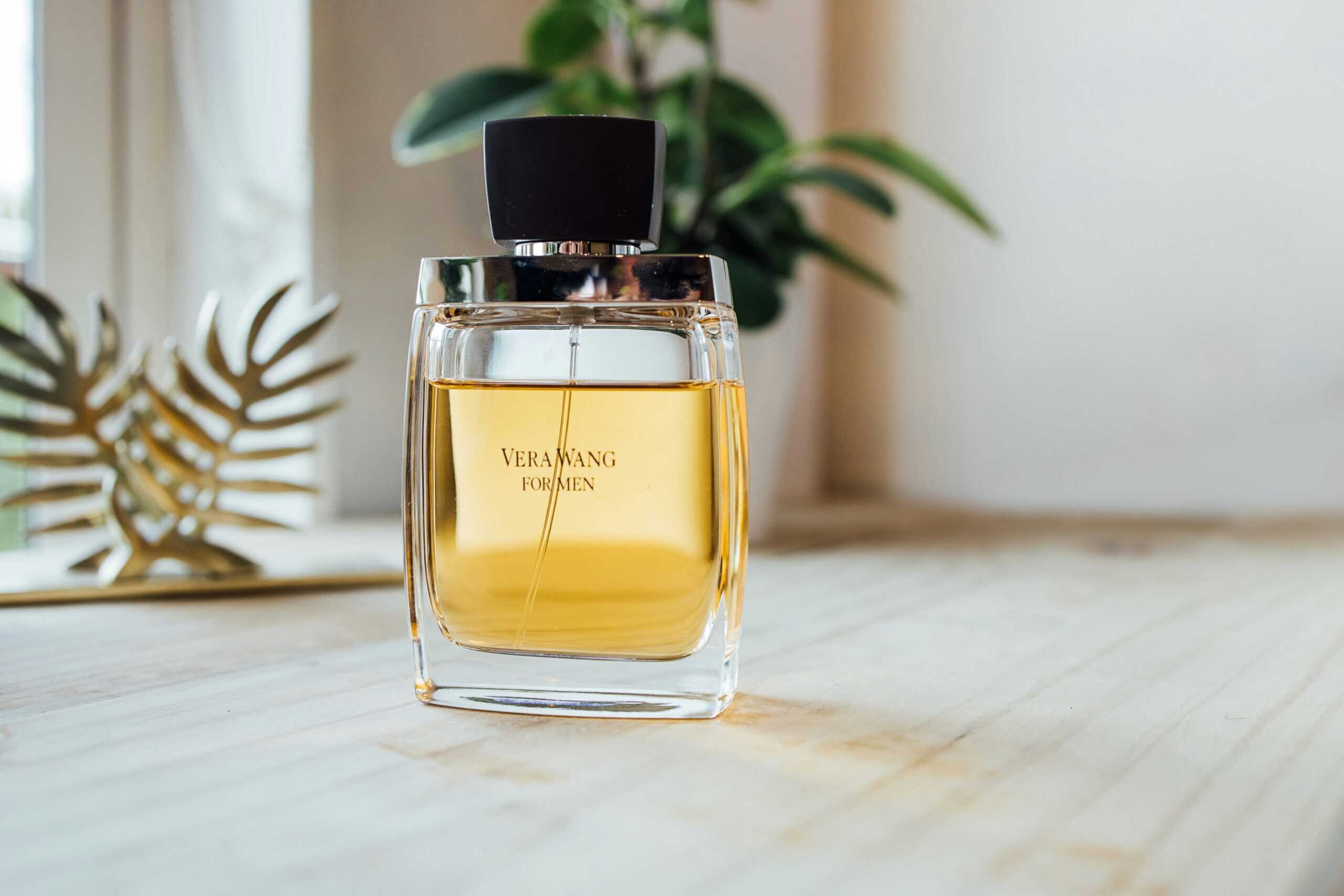
Her fragrance became one of the most successful celebrity scents ever (who knew?). The jewellery lines brought luxury to more people. Each new venture kept Wang’s style front and centre, but reached new fans.
The girl who missed the Olympic team ended up building a global brand that defined modern femininity. Not a bad trade, honestly.
Recognition, Awards, and the CFDA
After the commercial wins came the industry kudos. The CFDA (Council of Fashion Designers of America) doesn’t just hand out trophies for fun.
Wang snagged the CFDA Womenswear Designer of the Year award in 2005. This wasn’t just about pretty dresses—it was a nod to her impact on American fashion.
The fashion old guard didn’t exactly roll out the red carpet at first. Wang came in at 40, with no formal design degree and a background in editorial instead of technical design.
But results matter more than résumés. Wang proved that understanding what women want beats ticking boxes any day.
Other big recognitions:
- Geoffrey Beene Lifetime Achievement Award
- André Leon Talley Lifetime Achievement Award
- Loads of international fashion honours
These weren’t participation ribbons. Wang genuinely changed how the industry thinks about bridal and women’s fashion.
Her influence goes way beyond awards. Younger designers started mixing modern flair with timeless style, just like Wang. The Vera Wang bridal look became shorthand for sophisticated cool.
Teaching Us to Start Before We’re Ready
Wang’s story demolishes every excuse about being “too late” to start something meaningful.
Forty years old. No formal design training.
She worked in someone else’s company and dreamed of creative control.
Sound familiar? Most people would call that “realistic” or “settled.”
Wang called it preparation time. She didn’t wait for perfect conditions.
The boutique started small—one location, focused on bridal wear she wished had existed for her own wedding.
Key lessons from Wang’s approach:
- Start with what you know (she understood fashion and women’s needs)
- Use previous experience as a foundation (magazine work taught her about style and trends)
- Don’t let age or conventional wisdom dictate possibilities
- Perfect timing is a myth—starting is what matters
Wang sometimes jokes about having more freedom to experiment before social media came along and everyone had opinions. But honestly, she made it work because she solved real problems for real women.
The fashion industry told her she was too old to start. She proved them spectacularly wrong whilst building a business that continues thriving decades later.
Every career change feels scary. Wang’s journey reminds us that fear and readiness rarely arrive together.
Sometimes you just have to begin. Who’s ever really ready, anyway?