
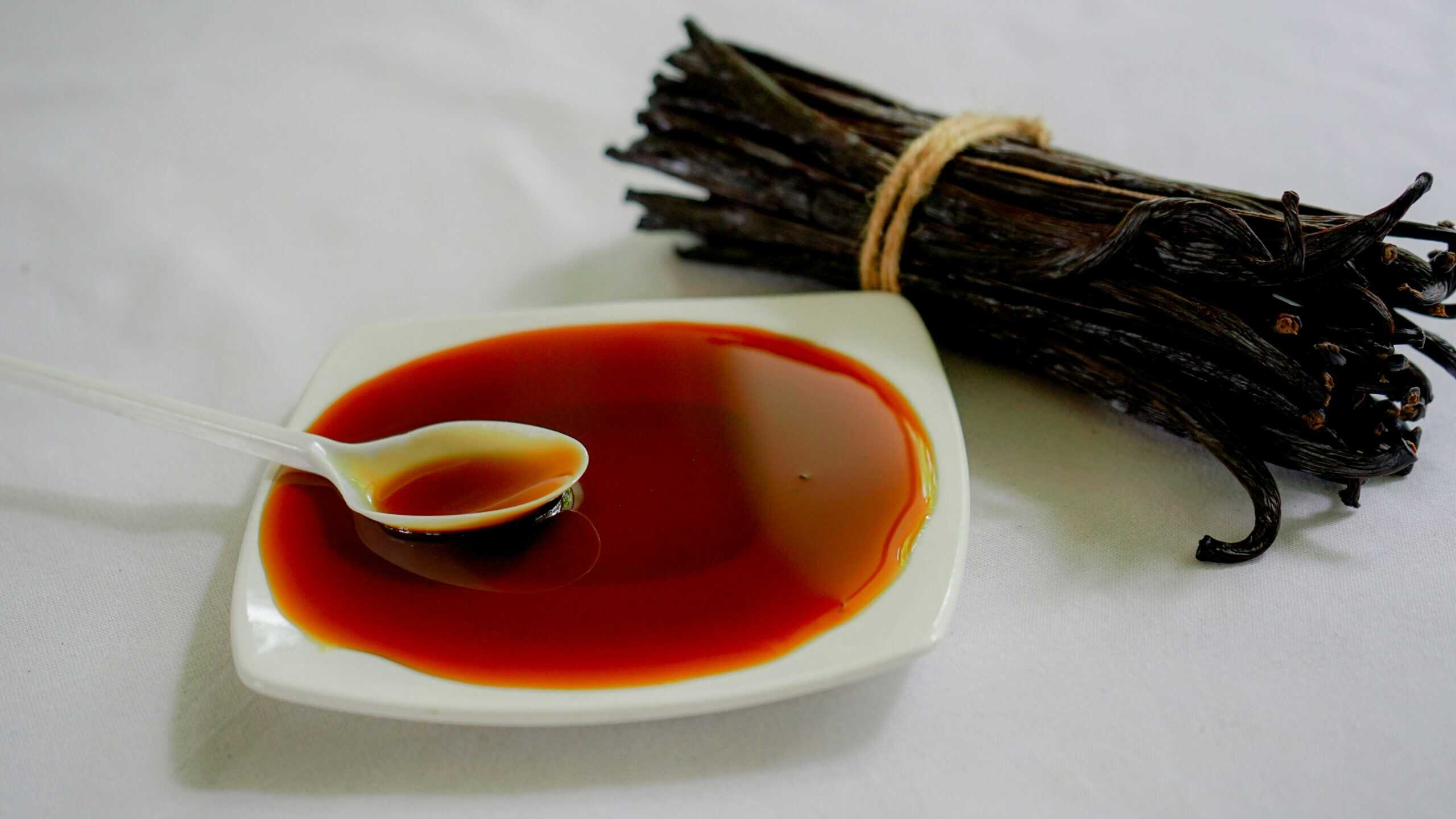
Stroll through any gourmet food market these days and you’ll spot entrepreneurs eyeing up opportunities in the most unexpected corners. For Instance, Tahitian vanilla is one of the most lucrative, yet bizarrely overlooked, business ventures in the global spice trade, with beans fetching up to ten times the price of the usual Madagascar stuff.
This isn’t just another ingredient for your fancy crème brûlée. We’re talking about a product so rare and distinctive that top chefs and premium food brands pay wild prices for authentic Tahitian vanilla beans.
What’s really interesting for business-minded folks is the perfect storm of factors driving demand. The unique floral and fruity flavour of real Tahitian vanilla can’t be faked, so it’s inherently scarce, and sharp-eyed entrepreneurs are catching on.
Unlike the mass-produced extracts crowding supermarket shelves, this is where authenticity rules. Customers will pay a premium and keep coming back for the real deal.
The real challenge and the big opportunity? Figuring out what makes Tahitian vanilla cultivation so tricky. Every step—from painstaking hand-pollination to the months-long curing process—becomes both a hurdle and a secret weapon for anyone gutsy enough to master it.

What Makes Tahitian Vanilla Distinctive?
Tahitian vanilla is a bit of a show-off compared to other vanilla types. It’s got its own species, Vanilla tahitensis, and brings a floral, exotic aroma that’s worlds away from the creamy Madagascar vibe.
This spice isn’t famous for vanillin content. Instead, its complex aromatic compounds give it a perfume-like quality that’s hard to describe but even harder to forget.
Botanical Origins and Species
The story starts with Vanilla tahitensis, a hybrid that’s not your average vanilla. It took root in French Polynesia, where tropical weather and volcanic soil worked their magic.
Here’s a plot twist: Tahitian vanilla isn’t pure Vanilla tahitensis anymore. Modern genetic tests show it’s often a mash-up between Vanilla planifolia and Vanilla odorata. Nature did some sneaky crossbreeding over the years and voilà—something totally new.
The beans themselves tell tales. They’re shorter, plumper, and softer than Madagascar beans, and they smell incredible even before you split one open.
Papua New Guinea’s now in on the action, producing high-quality Tahitian vanilla that keeps the same genetic flair. Their climate is practically Tahiti’s twin.
Aroma and Tahitian Vanilla Flavour Profile
This is where Tahitian vanilla really struts its stuff. While Madagascar vanilla leans on vanillin for its taste, Tahitian vanilla goes a different route. It’s got less vanillin but makes up for it with a wild mix of other aromas.
The flavour profile? It’s like a perfumer’s fever dream. Floral, fruity, sweet notes, hints of cherry, anise, and even liquorice. Some people swear it tastes like stone fruit or edible flowers.
This complexity comes from higher coumarin levels and other volatile compounds. That’s what gives it that signature perfume-like punch prized in fancy pastry kitchens.
The aroma hits you right away—totally different from regular vanilla. Madagascar vanilla feels warm and homey; Tahitian vanilla feels exotic and, dare I say, a little mysterious.

Comparison with Madagascar Vanilla
Honestly, these two vanillas are like night and day. Madagascar vanilla (Vanilla planifolia) brings the classic, bold vanilla flavour everyone expects. It’s creamy, rich, and perfect for baking, where you want vanilla to stand out.
Tahitian vanilla, though, is all about subtlety. Its gentle, floral aroma shines in whipped creams, custards, and fruity desserts where you want nuance, not a sledgehammer.
| Characteristic | Tahitian Vanilla | Madagascar Vanilla |
|---|---|---|
| Aroma | Floral, fruity, perfumed | Rich, creamy, bold |
| Vanillin Content | Lower | Higher |
| Best Applications | Delicate desserts, creams | Baking, ice cream, extracts |
| Pod Texture | Plump, soft, moist | Long, slender, oily |
The price gap is no joke either. Tahitian vanilla is the second most expensive spice on earth—yep, saffron still wins. But considering how rare it is and how much effort goes into growing it, the high price makes sense.
Chefs usually keep both types on hand, picking the right one for the job instead of swapping them willy-nilly.
Cultivation and Processing in Tahiti
Growing Tahitian vanilla takes patience, steady hands, and a whole lot of know-how. Farmers hand-pollinate every single flower and use special harvesting tricks to work with the tropical climate. The curing and drying process can drag on for four or five months, and Tahitians have their own way of doing things that makes these beans stand out.
Hand Pollination and Harvest
The vanilla orchid is a real diva during its growing cycle. Farmers have to hand-pollinate each flower with a tiny bamboo stick or needle—no pressure, but the blooms only stay open for a few hours.
Most pollination happens early in the morning, when the air’s just right. They lift the rostellum membrane and press the pollen onto the stigma. It’s slow work—one person might manage 1,000 to 1,500 flowers in a day, and that’s if they’re speedy.
The beans take about nine months to mature after pollination. A well-tended orchid can keep producing pods for over a decade, so it’s a long game for growers.
Harvest time comes when the beans are full-sized but still green. Farmers pick pods by hand, aiming for perfect ripeness. If they pick too early, the flavour just doesn’t develop right.
Curing and Drying Tahitian Vanilla Methods
The curing process lasts four to five months and turns those green beans into the glossy black pods chefs dream of. It all starts with a rinse in clear water—a quirky Tahitian touch.
The five-stage curing process goes like this:
- Rinsing: Wash the beans in clear water
- Sunshine: About a month of gentle morning sun, 3-4 hours daily
- Air drying: 40 days chilling in shade and fresh air
- Packing: Sort by length and quality
- Maturation: Let them rest for 60-90 days to finish developing flavour
During the sunshine phase, workers smooth and flatten each bean by hand. This helps the beans lose moisture and shrink down while building that signature texture.
They soak up the morning sun, then get tucked into cloth-covered crates to sweat out extra moisture. It’s a delicate dance of sun and rest that brings out all those wild, complex flavours.

Market Potential and Culinary Applications
The Tahitian vanilla market is basically a goldmine for entrepreneurs. The global vanilla extract market hit $5.3 billion in 2024 and just keeps growing. Top extracts, creative food uses, and smart export deals are all ways to cash in on this fragrant industry.
High Quality Products and Extracts
Premium vanilla extract is where the money’s at. Pure Tahitian vanilla extract commands top dollar because people know it’s got those floral notes and next-level quality.
Manufacturers are all about pure extract production with minimal fuss and clear sourcing. Shoppers today read ingredient lists like detectives and want to know exactly what’s in their food.
The concentrated extract market is another sweet spot. Big food processors and beverage companies want serious vanilla flavour at a good price. Concentrated extracts pack more punch, so you can use less to get the same effect.
Blended extracts are having a moment too, mixing Tahitian vanilla with other flavours. Chefs and home bakers who like to experiment love these unique combos.
Vanilla powder is also popping up as a premium product. It’s handy for dry recipes and doesn’t mess with your baking chemistry.
Innovation in Food and Beverage
The food and drink world eats up most of the vanilla supply, but new ideas keep popping up. Bakeries and ice cream shops still use plenty, but creative entrepreneurs are slipping Tahitian vanilla into all sorts of things.
Speciality coffee shops are into Tahitian vanilla’s fruity, floral vibe for signature drinks and seasonal treats. That extra complexity pairs better with coffee’s acidity than regular vanilla.
Artisanal confectionery is a particularly tasty niche. Small-batch chocolate makers and boutique candy shops can justify the price because their customers want something special.
The plant-based food wave is boosting demand too. Makers of dairy-free ice cream and vegan desserts use Tahitian vanilla to keep things natural and tasty.
Alcoholic drinks are another hot spot. Craft distillers and fancy liqueur brands use Tahitian vanilla beans to make spirits that stand out—and sell for more.
Supply Chain and Export Opportunities for Tahitian Vanilla
Entrepreneurs who build direct relationships with Tahitian growers get better deals and bigger profits than those dealing with a long chain of middlemen. French Polynesia doesn’t produce much vanilla, so that scarcity works in your favour.
Quality certifications and organic labels open doors to high-end markets. Shoppers in Europe and North America love certified products, so you’ll need the paperwork to export successfully.
The Asia Pacific region is heating up as a market for Tahitian vanilla. More people know about it, and the food processing industry there is booming.
Keeping vanilla beans in top shape during shipping means mastering cold chain logistics. If you can guarantee quality, buyers will pay more for your beans.
Direct-to-consumer sales via e-commerce let even small players reach global customers. Online retail has exploded, especially since everyone got used to shopping from their couch during the pandemic.
Private labelling is another angle. Some brands want to sell vanilla but don’t want to make it themselves, so they’ll pay you to supply the goods while they keep their name front and centre.

Heritage, Rarity, and Future Prospects
Tahitian vanilla isn’t just about farming—it’s a whole vibe. It stands for cultural identity and entrepreneurial opportunity.
This spice goes way back in Polynesian tradition, giving it some serious street cred in the market. Of course, sustainability issues keep business folks on their toes, so creativity’s a must.
Cultural Significance and Storytelling
The wild tale of Tahitian vanilla kicked off in the 19th century when someone brought vanilla to Tahiti from Mesoamerica. It wasn’t just a plant swap—it shifted the whole culture.
Vanilla tahitensis came out of this cross-cultural handshake. The plant just rolled with Tahiti’s volcanic soils and steamy weather, turning into something totally its own.
Fast forward to today, and Taha’a wears the vanilla crown. This tiny 21-square-mile island punches way above its weight, producing almost 80% of Tahitian vanilla.
That kind of concentration? It’s branding gold. Entrepreneurs love leaning into Taha’a’s rep for authenticity and good old-fashioned skill.
The growing process is a story in itself. From July to September, the vanilla plants show off with daily blooms. Each flower needs a human touch—literally—since hand-pollination is the only way, and that skill gets passed down like a family secret.
Traditional Knowledge as Competitive Advantage:
- Hand-pollination tricks perfected over 150 years (imagine the stories!)
- Curing methods that only work in Tahiti’s wild climate
- Family-run plantations where everyone’s got vanilla under their fingernails
- Festivals that turn the vanilla harvest into a full-on celebration
This deep heritage keeps copycats at bay and lets Tahitian vanilla strut its stuff at the top end of the market.
Tahitian Vanilla Sustainability and Authenticity
Modern vanilla businesses? They’re under more and more pressure to get serious about sustainable practices. Tahitian vanilla, with all its artisanal flair, fits right into what today’s ethical shoppers want.
Climate change is making life tough for vanilla growers. Taha’a’s unique geography and climate shape how vanilla grows there, so adapting to new weather patterns isn’t optional—it’s survival.
Entrepreneurs who know what’s up are already getting creative. Organic certification? That’s gold—certified organic Tahitian vanilla can hit £433 per kilogram if you play your cards right.
Sustainable Business Opportunities:
- Certification programmes: Organic, Fair Trade, and Rainforest Alliance labels
- Climate-adaptive farming: Drought-resistant vanilla, anyone?
- Blockchain traceability: Supply chains you can actually trust—no smoke and mirrors
- Community partnerships: Skip the middlemen and work straight with Tahitian farmers
You can’t really hype authenticity enough. Vanilla tahitensis isn’t just another bean; it’s got fewer seeds but a wild, complex aroma that vanilla planifolia just can’t match.
This unique profile keeps it safe from all those synthetic wannabes. Sure, artificial vanilla owns the bargain shelves, but when it comes to the good stuff, people want the real deal—Tahitian vanilla extract.
Some businesses are backing preservation programmes, mixing old-school farming with fresh sustainability tricks. It’s a bit of a balancing act, but hey, that’s where the magic happens.