
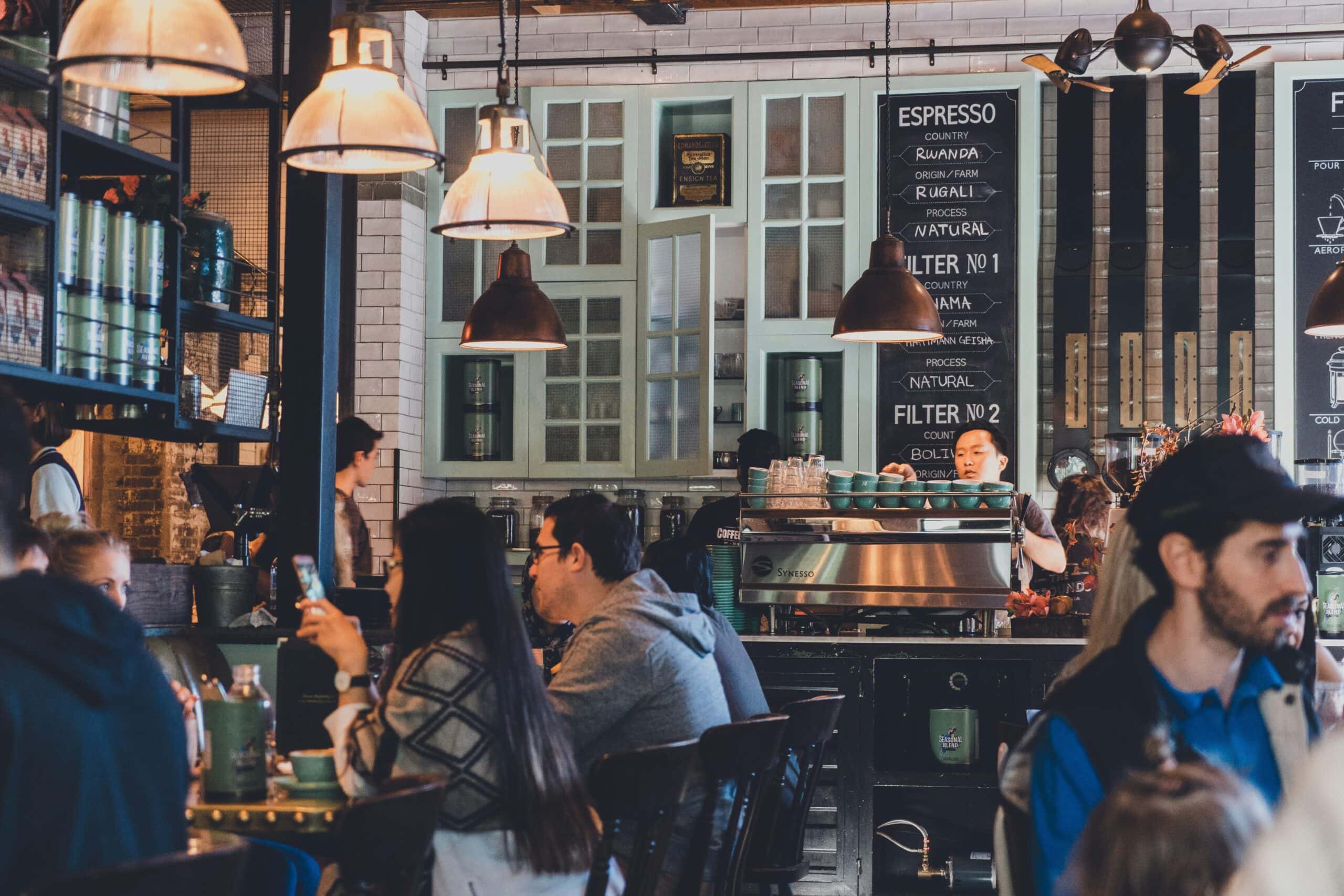
You’re sitting in your favourite café, laptop open, the smell of espresso swirling through the air — and you wonder, ‘What if this was my life every day?’ It’s that moment when the mundane reality of corporate emails and endless meetings feels worlds away from the gentle hum of conversation and the satisfying hiss of steam wands.
For thousands of people, that dream has become more than wishful thinking — it’s become a lifestyle and a smart business move that combines passion with genuine financial opportunity. The contrast couldn’t be starker: trading fluorescent-lit cubicles for warm, inviting spaces where community happens naturally and every customer interaction feels meaningful.
The beauty of café ownership lies in its storytelling potential — not just the stories shared over morning coffees, but the narrative entrepreneurs create for themselves. Coffee culture keeps thriving because it offers something no amount of technology can replace: genuine human connection in physical spaces.
Even as remote work and digital communication dominate modern life, cafés serve as essential community anchors where relationships form over shared rituals and familiar routines.
Consider this: speciality coffee shops have grown exponentially over the past decade, with independent cafés carving out loyal customer bases even alongside major chains. The appetite for unique, locally-owned spaces that reflect their owners’ personalities and values has never been stronger.
For anyone questioning whether trading corporate security for entrepreneurial freedom makes sense, the evidence suggests café ownership offers both lifestyle satisfaction and business viability — assuming you approach it with realistic expectations and a genuine passion for hospitality.

Why Coffee Culture Still Matters in a Digital World
Coffee has become more than just a morning ritual—it’s a global phenomenon that creates genuine human connections in our increasingly digital lives. Speciality cafés are thriving as essential community spaces where people gather, work, and build relationships that screens simply can’t replicate.
The Global Love Affair With Coffee
The numbers tell a compelling story. Coffee consumption has grown by 2.2% annually over the past decade, with speciality coffee leading the charge.
People aren’t just drinking more coffee—they’re seeking experiences around it. Instagram feeds overflow with perfectly crafted flat whites and intricate latte art, turning every cup into a moment worth sharing.
This visual storytelling has transformed coffee from a commodity into culture. Baristas have become artists, and customers have become collectors of experiences.
The rise of third-wave coffee culture means consumers now care deeply about origin stories. They want to know where their beans come from, how they’re roasted, and who grew them.
Coffee shops have become stages for these narratives. A single cup carries stories of Colombian farmers, local roasters, and neighbourhood communities—all waiting to be shared through images and conversations.
Cafés as Human Hubs Amid Remote Work
Remote work hasn’t killed café culture—it’s supercharged it. Digital nomads and home workers flock to coffee shops seeking what their home offices can’t provide: human energy.
The gentle hum of conversation creates the perfect working soundtrack. That familiar background noise actually boosts creativity and focus for many people.
Coffee shops offer something video calls never can: spontaneous interactions. A casual chat with a regular customer or a friendly nod to the barista provides a social connection that remote workers desperately crave.
Flexible seating and reliable WiFi have made many cafés unofficial co-working spaces. People spend entire afternoons there, transforming coffee shops into productive community hubs.
The sensory experience matters too. The smell of fresh coffee, the warmth of ceramic cups, and the sight of skilled baristas at work create an atmosphere that home offices simply can’t match.
Rise of Local Roasteries and Speciality Spots
Independent roasteries are popping up everywhere, driven by consumers who value authenticity over convenience. These businesses thrive because they offer something chain stores just can’t: genuine local character.
Local roasters tell unique stories through their beans. They might source directly from farmers, experiment with unusual processing methods, or create signature blends that reflect their neighbourhood’s personality.
Storytelling becomes crucial here. Customers don’t just buy coffee—they buy into narratives about sustainability, craftsmanship, and community support.
The visual appeal drives much of this success. Beautifully designed packaging, carefully curated café interiors, and photogenic drinks create endless opportunities for social media sharing.
Small roasteries often become gathering places for coffee enthusiasts who want to learn about brewing techniques, taste new origins, or simply connect with others who share their passion.
These businesses prove that in our digital age, people still crave tangible experiences. They want to touch, smell, and taste their way to satisfaction—something that online shopping can’t fully replicate.

10 Reasons Why Setting Up a Coffee Shop or Café Is a Great Career Move
The coffee industry offers a unique blend of personal fulfilment and business opportunity that’s hard to find elsewhere. These ten compelling reasons show why café ownership is more than just a career change—it’s a lifestyle transformation that throws together creative expression, community impact, and real financial potential.
It’s a Lifestyle, Not Just a Job
Forget the soul-crushing commute and fluorescent-lit cubicles. Coffee shop ownership turns daily work into something deeply personal and meaningful.
The morning ritual begins with the gentle hum of espresso machines warming up. There’s no boss breathing down your neck, no endless meetings about meetings.
Instead, you get the freedom to design each day around your personal values and vision.
Key lifestyle benefits include:
- Flexible scheduling that adapts to personal rhythms
- Creative control over the work environment
- Physical activity instead of desk-bound monotony
- Sensory engagement with aromas, textures, and flavours
The difference is profound. Rather than watching the clock crawl toward 5 PM, café owners find themselves genuinely invested in their space.
Every decision matters because it’s their decision to make. This isn’t about escaping work—it’s about transforming work into something that energises rather than drains.

You Get to Build Community Every Day
Coffee shops serve as modern-day town squares. They’re where first dates happen, where students cram for exams, and where remote workers find their tribe.
A café owner becomes a community architect. They witness relationships forming over shared tables, celebrate regulars’ milestones, and create spaces where strangers become friends.
The impact extends beyond coffee sales. Local artists display their work on café walls. Book clubs meet in cosy corners.
Community building opportunities:
- Hosting local events and workshops
- Supporting nearby businesses through partnerships
- Creating gathering spaces for different demographics
- Fostering connections between regular customers
This daily dose of human connection proves incredibly rewarding. Café owners see their positive influence immediately—no more waiting for some end-of-quarter report to feel like you’ve made a difference.
The morning rush becomes less about transactions and more about starting someone’s day with warmth and genuine care. Not a bad gig, right?
Creative Freedom at Every Corner
Every aspect of a café offers creative expression opportunities. From interior design choices to seasonal menu development, owners craft experiences that reflect their personality and vision.
The creative process never stops evolving. Seasonal décor transforms the atmosphere. New drink recipes emerge from experimentation.
Even the playlist gets a little love—no more elevator music unless you really want it.
Creative outlets in café ownership:
- Interior design and space planning
- Menu development and food presentation
- Visual merchandising and seasonal displays
- Brand identity through signage and marketing materials
Many café owners discover talents they never knew existed. Someone might develop a passion for latte art or get weirdly obsessed with graphic design for promo flyers.
This creative freedom extends to problem-solving, too. Each challenge—from optimising workflow to managing inventory—demands some out-of-the-box thinking rather than following corporate protocols.
The result? A business that genuinely reflects its owner’s personality and values. And hey, that’s way more fun than filling in spreadsheets all day.

Financial Opportunities and Stability
Coffee is one of the world’s most consumed beverages, creating constant market demand. Americans alone drink about 400 million cups daily, and specialty coffee consumption keeps growing by 20% annually.
The financial model offers multiple revenue streams. Beyond basic coffee sales, successful cafés make money from food offerings, retail merchandise, catering, and event hosting.
Revenue diversification options:
- Core beverages with healthy profit margins
- Food service from pastries to full meals
- Retail sales of beans, equipment, and merchandise
- Additional services like catering and private events
Speciality coffee commands premium pricing. Customers willingly pay £4-6 for expertly crafted drinks that cost £1-2 to make. That margin potential, combined with steady demand, creates solid financial foundations.
Location and execution matter enormously, but the underlying market fundamentals remain strong. Coffee culture keeps expanding globally, leaving the door wide open for well-positioned cafés to thrive.
Low Barrier for Entry Compared to Many Businesses
Starting a café requires significantly less capital than many other businesses. Unlike restaurants needing extensive kitchens or retail stores with massive inventory, coffee shops can start off relatively modestly.
Equipment costs stay manageable. A quality espresso machine, grinder, and basic brewing equipment make up the primary investments.
Many successful cafés launch with £20,000-50,000 rather than the six-figure requirements of other hospitality ventures.
Startup advantages:
- Manageable equipment costs for essential machinery
- Flexible space requirements from small kiosks to larger venues
- Simplified inventory management compared to full restaurants
- Established supplier networks for coffee and basic supplies
The learning curve, whilst present, isn’t impossibly steep. You can pick up basic barista skills through workshops and a bit of practice (plus a few failed latte art attempts).
Business fundamentals apply across industries, so previous experience is often transferable. Many thriving café owners started with limited hospitality know-how but loads of passion and willingness to learn. You could be next.
Personal Growth and Entrepreneurial Skills
Running a café develops a comprehensive skill set that goes way beyond just pouring a decent espresso. Owners get hands-on with finance, marketing, HR, and operations management—sometimes all before lunch.
The entrepreneurial education happens organically. Budget management becomes second nature. Customer service skills are sharpened through daily interactions.
Leadership abilities develop when hiring and training staff. Sometimes you even have to play therapist—bonus points for that.
Skills developed through café ownership:
- Financial literacy through budget management and profit analysis
- Leadership capabilities when managing teams
- Marketing expertise in building brand awareness
- Operations management for efficient daily workflow
This real-world business education proves invaluable. Whether the café becomes a long-term venture or a stepping stone to other opportunities, the skills transfer across industries.
The confidence gained from successfully managing all business aspects creates entrepreneurs, not just coffee shop owners. And honestly, that’s a pretty great perk—plus, you’ll never look at a cup of coffee the same way again.
Constant Learning — Trends, Flavours, Skills
The coffee industry changes fast. New brewing methods pop up all the time.
Origin stories shift, and customer preferences seem to change with the seasons. That constant evolution keeps running a café pretty darn interesting, honestly.
Learning opportunities are everywhere. Coffee trade shows roll out new products, and online communities love sharing the latest techniques.
Customer feedback? It keeps the menu on its toes.
Areas of ongoing education:
- Coffee sourcing and origin characteristics
- Brewing techniques and equipment innovations
- Food trends and dietary preferences
- Business strategies and industry best practices
The speciality coffee movement really rewards anyone who’s curious. If you geek out on terroir, processing, and roasting, you’ll have way better conversations with customers—and you can actually justify those premium prices.

Making Your Coffee Shop Stand Out — Where Business Meets Heart
Success isn’t just about coffee. It’s about creating real connections and experiences that competitors just can’t copy.
The magic? It happens when your personality meets your community’s needs in a space that hits all the senses.
Building Trust With Your Community
Trust is the backbone of every great café. It starts with nailing both your coffee and your human connections, every single time.
When locals know their morning flat white will always be spot-on, they’re not just buying coffee—they’re buying peace of mind. That’s pretty powerful.
Storytelling isn’t just a buzzword here. Café owners who share their journey make emotional bonds with customers, whether it’s about sourcing beans from a tiny Colombian farm or building a counter from the ruins of a local theatre.
The best café owners weave themselves into the neighbourhood. They remember regulars’ names, display local artists’ work, and host community events that actually bring people together.
Visual storytelling is huge, too. Social media and in-store displays with behind-the-scenes photos or customer celebrations make people feel like they’re part of the story.
Transparency about sourcing and pricing goes a long way. When folks know why those premium beans cost more, they tend to appreciate the difference.
Crafting a Sensory Experience
One whiff of freshly ground beans and people just melt. Great café owners know their customers don’t just taste coffee—they experience it with every sense.
Visuals matter. Warm lights on marble counters, steam curling from the espresso machine, that rich crema on a perfect shot—these things stick in people’s minds (and on their Instagram feeds).
Sound makes a difference, too. The hiss of milk steaming, the click of tamping grounds, and background music all set the mood.
Ambient noise even affects how long folks stay and how much they spend. Who knew?
Texture sneaks in, too. The smooth ceramic of a mug, the rough wood of a table, or the soft leather of a reading chair—all of it adds to the vibe.
Temperature matters more than you’d think. Warmth from a wood-fired oven, cool marble in the pastry case, or sunlight streaming through the windows can totally shift how people feel in your space.
Infusing Your Personality Into the Space
Let’s be honest—authenticity beats perfection every time. The most loved coffee shops are quirky reflections of their owners, not some Pinterest board come to life.
Personal touches are conversation starters. Maybe it’s a shelf of vintage coffee tins, a handwritten menu, or a stack of the owner’s favourite books—these things invite curiosity and make people smile.
Choose colours, furniture, and décor that feel right to you, not just what’s trendy. If you love it, chances are your customers will feel that energy, too.
The layout should match your vision. Some owners create cosy nooks for quiet chats, while others go for big communal tables to spark conversation.
Staff training? It’s just an extension of your vibe. When your team gets what you’re about, they naturally become ambassadors for your café’s personality.
Even the practical stuff—hours, menu, prices—should fit your style and values, not just copy the place down the street.

Brew Your Own Path
Ever feel that familiar stirring in your chest when you walk past a bustling café? Yeah, that’s not just caffeine calling. It’s opportunity knocking—sometimes a bit loudly.
Every successful café owner started right where you are. They had a wild idea, took a shaky breath, and just went for it.
The gap between dreaming and actually doing? Honestly, it’s usually just one stubborn decision: starting today.
Picture yourself in six months. Morning light spills through your café windows, and the rich aroma of freshly ground beans fills the air.
Your regulars wave hello. New faces wander in, curious about your little corner of the world.
Suddenly, you realise—this isn’t just work. This is your life.
The coffee industry doesn’t wait for perfect timing. Someone out there opens their doors every day, builds a community, and jumps in with both feet. Why shouldn’t that someone be you?
Start small if you need to. Go check out local spaces. Chat with other café owners.
Visit that roastery you’ve been eyeing for months. Each conversation, every tiny step, drags your vision a little closer to reality.
The world could use more places where stories unfold over steaming mugs. More spots where strangers awkwardly become friends.
We need more entrepreneurs who get that success isn’t just about profit—it’s also about that satisfied sigh when a customer finds their perfect morning ritual.
Your future regulars are already out there, looking for the café that doesn’t exist yet. The one you’re supposed to create.
So, stop waiting for someday. Your café story kicks off with a single, slightly scary step forward.