

There’s a quiet revolution brewing in cafés everywhere. The Hojicha latte, a toasty creation rooted in Japan’s tea culture, is swiftly stealing the spotlight from classic coffee drinks and inspiring entrepreneurs across the globe.
This roasted green tea beverage gives business owners a unique positioning advantage—delivering the café experience customers crave, while providing a naturally low-caffeine alternative that appeals to health-conscious consumers.
What makes this trend so fascinating isn’t just the drink itself, but the cultural shift it represents. Consumers want authentic, wellness-focused experiences that tell a story, and hojicha lattes pretty much tick every box.
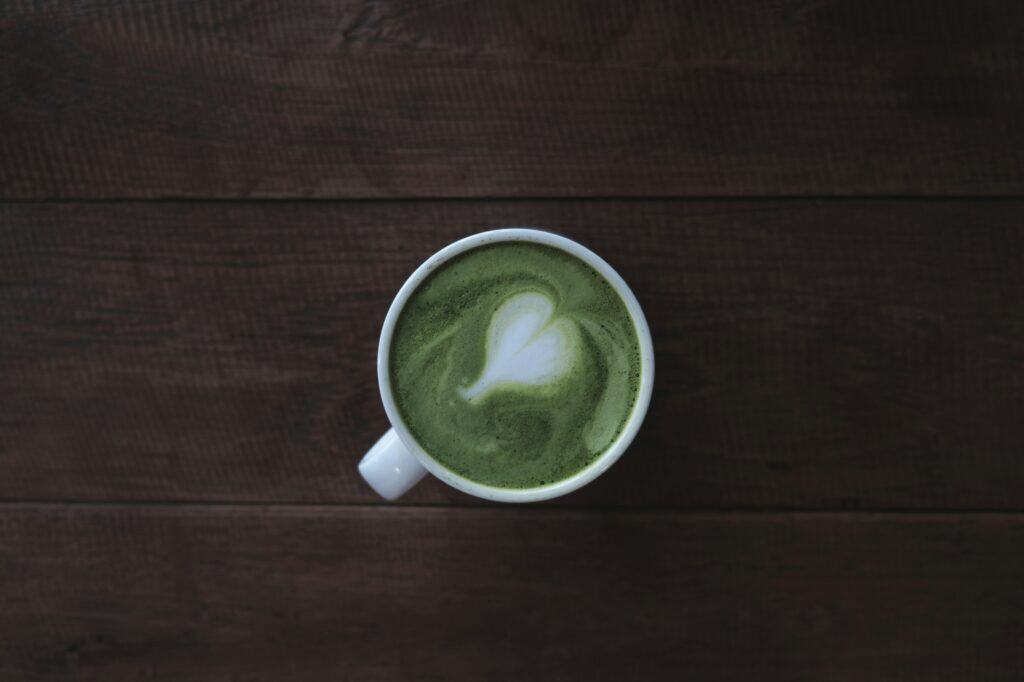
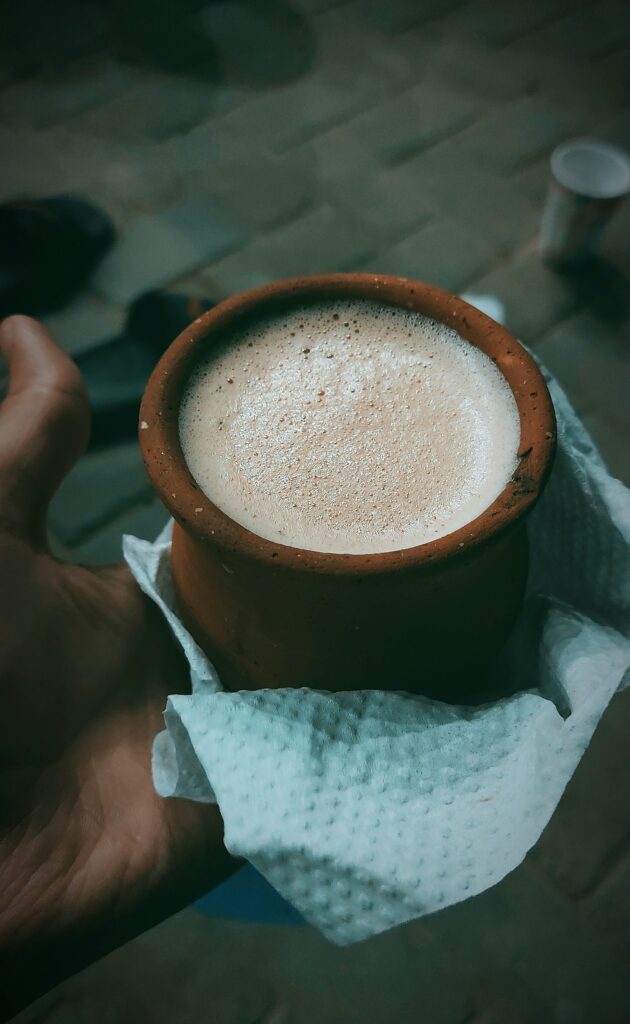
They’re Instagram-worthy with that caramel colour, have a sophisticated flavour profile that’s both nutty and comforting, and let you charge a premium price. The timing couldn’t be better for savvy entrepreneurs to jump in.
Major coffee chains are scrambling to add hojicha options to their menus. Speciality tea shops now call themselves hojicha destinations, and creative food folks are making everything from hojicha desserts to bottled lattes.
The market’s ripe, demand’s growing, and the opportunities go way beyond just serving lattes in cafés. If you’re not at least a little bit curious, are you even in the beverage business?

What Is a Hojicha Latte?
A hojicha latte transforms Japan’s traditional roasted green tea into a creamy, contemporary beverage that’s catching global attention. This warming drink combines the earthy complexity of roasted tea leaves with steamed milk, turning the usual green tea experience on its head.
Origins in Japanese Tea Culture
Hojicha popped up in Japan’s Kansai region during the 1920s, when Kyoto tea merchants roasted surplus bancha leaves to keep them from going stale. What started as a practical fix quickly became a beloved evening tea, especially popular with families.
The roasting process changed everything about green tea. While typical Japanese green tea keeps its bright colour through steaming, hojicha gets drum roasted at 140-200°C, morphing the leaves from bright green to a rich chestnut brown.
Japanese tea culture has always revolved around the seasons. Matcha owned the spotlight at formal ceremonies, but hojicha became the comfort tea—perfect for cold evenings when everyone huddled around the kotatsu.
The latte format is a modern twist. Japanese cafés started serving hojicha lattes in the early 2000s, mostly to younger folks who preferred milk-based drinks over the usual tea prep.
What Sets Hojicha Apart From Other Green Teas
The roasting process is the real game-changer here. Most hojicha uses bancha, sencha, or kukicha as its base, but roasting flips the script on flavour and aroma.
Key Differences:
| Aspect | Hojicha | Regular Green Tea |
|---|---|---|
| Caffeine Content | 7.7mg per cup | 25-50mg per cup |
| Colour | Amber to copper-brown | Bright green to yellow |
| Tannins | Reduced through roasting | High levels |
| Flavour Profile | Toasty, caramelised | Grassy, vegetal |
The lower caffeine makes hojicha a go-to for evening sipping. A lot of people pick hojicha over matcha for a smoother ride without the jitters.
Roasting breaks down chlorophyll and cuts down astringency, which makes the tea naturally sweeter and means you don’t need to pile on the sugar. Health-conscious folks love that.
The production process also lets you mill hojicha into a fine powder, just like matcha. The powder dissolves right into milk and gives you that smooth, latte texture everyone’s after.
Key Flavour Notes and Aromas
Hojicha latte has a flavour profile that surprises a lot of coffee drinkers—it’s familiar, but different. The roasting creates Maillard reactions (science!) that bring out deep, warming notes you just don’t get in regular green tea.
Primary Flavour Components:
- Roasted barley and toasted grain
- Light cocoa and hazelnut
- Gentle caramel from natural sugar caramelisation
- Subtle smokiness thanks to roasting
The aroma is its own little adventure. Fresh hojicha latte smells like warm cedar, cocoa husk, and toasted rice. Kukicha-based hojicha leans sweeter and nuttier, while sencha-based versions are brighter and more aromatic.
Steamed milk softens and blends these flavours, and the milk’s sweetness works with the roasted notes instead of drowning them out. This balance explains why hojicha latte is just as good hot or iced.
The finish? Clean and comforting. Unlike coffee, which sometimes leaves you with a bitter aftertaste, hojicha gives a gentle warmth that doesn’t overwhelm your palate. A lot of people call it “embracing”—and honestly, who doesn’t want a hug from their beverage?

How to Make the Perfect Hojicha Latte
Nailing the perfect hojicha latte means getting the brewing temperature right (about 80°C), picking quality hojicha powder or leaves, and knowing how milk choices change the flavour. The real trick is balancing the roasted tea notes with creamy textures and the right sweetener.
Traditional and Modern Preparation Techniques
The old-school way starts with loose-leaf hojicha steeped in 80°C water for 2-3 minutes. That temp keeps the roasted flavour without pulling out bitterness.
Modern baristas often go for hojicha powder—it’s faster and more consistent. The powder dissolves in hot water and makes a smooth base. Cafés usually use 1-2 teaspoons per cup.
Traditional Method:
- Steep 2-3 teaspoons loose hojicha in 120ml hot water
- Strain after 2-3 minutes
- Add steamed milk gradually
Modern Powder Method:
- Whisk 1-2 teaspoons hojicha powder with 60ml hot water
- Make a smooth paste, then add the rest of the liquid
- Blend with frothed milk
The powder method lets you control strength and skip straining. That’s a lifesaver when you’re slammed with orders.
Equipment Essentials: Bamboo Whisk and Milk Frother
A bamboo whisk (chasen) turns hojicha powder into silky perfection. It breaks up clumps and adds air for a great texture.
If you’re all about convenience, an electric milk frother does the job. Baristas aim for microfoam instead of stiff peaks—think smooth, not bubbly.
Essential Equipment:
- Bamboo whisk for powder
- Milk frother (handheld or steam wand)
- Fine-mesh sieve for loose tea
- Kettle with temperature control
Using a bamboo whisk takes a little practice—quick figure-eight motions get you there. Electric frothers save time but miss out on that whole ceremonial vibe some customers love.
Steam wands make the best microfoam, but handheld frothers totally work for home or smaller setups. Don’t let gear hold you back.
Selecting the Best Milk and Sweeteners
Whole milk gives you the richest, creamiest latte, but plant-based milks open up a whole world of flavours. Oat milk and hojicha? That’s a match made in heaven.
Milk Options Ranked by Performance:
- Whole milk: Rich, neutral
- Oat milk: Creamy, slightly sweet
- Almond milk: Light, nutty
- Soy milk: Froths well, a bit beany
Sweeteners can totally change the vibe. Maple syrup boosts the roasted notes, honey brings a floral twist—pick your adventure.
Recommended Sweeteners:
- Maple syrup (1-2 tablespoons)
- Honey (1 tablespoon)
- Agave syrup (for a lighter touch)
- Vanilla extract (¼ teaspoon tops)
Plant-based milks act differently when you heat and froth them. Barista-grade versions have stabilisers, so they hold up better—worth it if you’re serious about your foam game.
Hot vs Iced Hojicha Latte Variations
Hot hojicha lattes really let the roasted, toasty flavours shine. Just follow the usual technique with steamed milk and you’re golden.
Iced hojicha lattes need a different approach. You’ll want a double-strength tea concentrate so the ice doesn’t water it down. Cold milk blends differently, so tweak your ratios.
Hot Preparation:
- Regular strength tea base
- Steamed milk at 65-70°C
- Serve right away
For iced lattes, you’ve got to think ahead. Brew a strong concentrate, chill it, then add cold milk and ice. Don’t add ice too soon, or you’ll end up with hojicha water (no one wants that).
Iced Preparation:
- Double-strength tea concentrate
- Let it cool before mixing
- Add ice last
Temperature makes a big difference for sweeteners. Hot drinks dissolve sugar easily, but for iced drinks, you might need to use simple syrup instead of regular sugar.
The texture difference between hot and iced lattes gives everyone options, no matter the season. Most places offer both—because why limit yourself?

Hojicha Latte Market Trends and Business Opportunities
The hojicha latte market is packed with opportunities for entrepreneurs. Global hojicha drinks hit USD 1.12 billion in 2024, and this roasted green tea is breaking out of Japan and into Western cafés everywhere.
It’s creating new revenue streams from premium beverages to wild new product lines. The only question is—are you in, or are you just watching from the sidelines?
Rising Popularity Beyond Japan
The hojicha phenomenon isn’t just sticking around in Japan anymore. It’s breaking out and showing up as the new matcha alternative in global markets.
People love that hojicha doesn’t have matcha’s grassy punch. Instead, it’s got this nutty, caramelised vibe that feels familiar but still a bit adventurous.
Market data keeps showing some wild growth. Hojicha used to be less than 3% of packaged green tea sales in Japan a decade ago.
Now, international demand has basically turned this humble roasted tea into a premium café superstar.
Western tea drinkers seem obsessed with hojicha’s lower caffeine content and digestive-friendly properties. Pregnant folks, night owls, and anyone who gets jittery from coffee are all jumping on the bandwagon.
The look of hojicha doesn’t hurt either. Social media has fallen for that amber colour and photogenic foam art—it’s all over Instagram and TikTok, and honestly, who can blame them?
Product Development: From Cafés to D2C Brands
Entrepreneurs are jumping in, spotting hojicha’s potential for beverage innovation way beyond the usual lattes. Cold brew? Kombucha? Protein drinks? Why not.
Popular Product Categories:
- Instant hojicha powder blends
- Ready-to-drink bottled versions
- Premium hojicha powder for home brewing
- Flavoured variants (vanilla, coconut, oat milk)
Direct-to-consumer brands are thriving by aiming at health-conscious millennials and Gen Zers. Subscription boxes with artisanal hojicha keep fans coming back and sneak in some Japanese tea culture lessons, too.
The convenience store market is a goldmine, honestly. Lawson convenience stores in Japan have jumped on the hojicha latte train, and it’s working out pretty well for grab-and-go types.
Retailers looking to stand out are eyeing private label hojicha. Co-branding with big café names lets them dip a toe in before going all-in, which, let’s face it, sounds like a smart move.

Creative Business Ideas: Hojicha Desserts and Innovations
Innovative entrepreneurs are realising that hojicha’s magic goes way beyond mugs of tea. People are tossing it into chocolate, gelato, baked treats, and even some savoury experiments.
It’s wild how one ingredient can open up a bunch of new revenue streams under one roof.
High-Margin Applications:
- Artisanal hojicha ice cream and gelato
- Premium chocolate truffles and confections
- Speciality baked goods (cookies, cakes, macarons)
- Hojicha-infused honey and syrups
Wellness fans are jumping on the bandwagon, too. You’ll spot hojicha in non-food wellness products like bath powders and even skincare, thanks to the clean beauty craze.
Pop-up concepts and seasonal menus let businesses try out hojicha ideas without betting the farm. Food trucks slinging hojicha desserts, farmer’s market booths, and collabs with local cafés give folks a chance to see what sticks.
But here’s the kicker: authenticity and quality matter more than ever. People want the real story behind their ingredients, so if you can brag about your Japanese hojicha connections—and back it up with killer products—you’ve got a shot at premium status.